Sustainable drainage infrastructure strategy enhances renatured rural mixed-use redevelopment
Proposals for a renatured, rural, mixed-use redevelopment centred around a Biodiversity Net Gain (BNG) habitat plan have been granted planning approval, subject to a S106 agreement. Plans for the Stonehouse Farm and Lakes scheme will deliver benefits for the local community, ecology and environment.
Drainage advice was provided by Motion for the planning application after the redundant farm in Plummers Plain near Horsham, West Sussex, was acquired by Lake Investments Ltd, part of The Hunter Group, a specialist redeveloper of country estates and farms.
Dare to Dream
In June, the site played host to a landmark ‘Dare to Dream’ one-day initiative jointly organised by the developer and the Love Local Jobs Foundation. According to Lee Goossens, Managing Director of The Hunter Group, “Dare to Dream was aimed at future generations who will both spearhead and benefit from the recovery of nature. Students got to experience firsthand a live rural regeneration project where community, business and biodiversity will come together to create lasting local impact.”

Phil Allen represented Motion at the event. He explains, “The day brought together 120 Year 10 students from across Sussex for tree planting, environmental awareness and valuable, real-world perspectives on career opportunities in the built environment.”
He continues, “I was privileged to be able to share some key insights into the work of a drainage and flood risk engineer and bring to life some of the challenges and opportunities presented by AI and climate change, highlighting their impact both on the profession and the planning process.”
Positive public engagement
The sensitive redevelopment of the 120-acre site will result in three sustainable, energy-efficient detached houses, and two separate sympathetically designed business parks providing valuable rural offices, storage distribution and light industry space. The planning proposals were received positively by the local community, with high levels of public engagement and letters of support during the consultation process.
Lee Goossens explains, “This was a complex, multifaceted scheme, requiring close collaboration of a wide range of expert consultants within our team of professional advisers, who were dealing with a very demanding rural situation. Motion skilfully presented proposals that were not only efficient and pragmatic but also acceptable to the local planning authority.”
Sustainable drainage strategies
 Phil Allen recalls, “The challenge was to develop a balanced sustainable drainage infrastructure strategy that not only satisfied policy and regulatory requirements, but also complemented and enhanced the renatured landscape and biodiversity habitat scheme.”
Drainage and SuDS designs will capture and store surface water, helping to reduce pollution, runoff rates and flood risk. A full assessment of future foul waste requirements was conducted to prepare specifications for high-standard effluent treatment, ensuring sustainable discharge and improved local watercourse quality.
With a strong focus on sustainability, innovation and environmental impact, the project was also crowned winner of Motion’s coveted Green Project of the Year award in 2025. The registration of a biodiversity habitat scheme will secure a progressively renatured landscape for thirty years by way of a conservation covenant, to include newly planted woodland and hedgerows, scrub land, wildflower meadows and wetland scrapes.
A permissive recreational track will be incorporated into the renatured landscape and connected to the public footpath network providing all-weather access for those living and working in the immediate area as well as for the wider community.
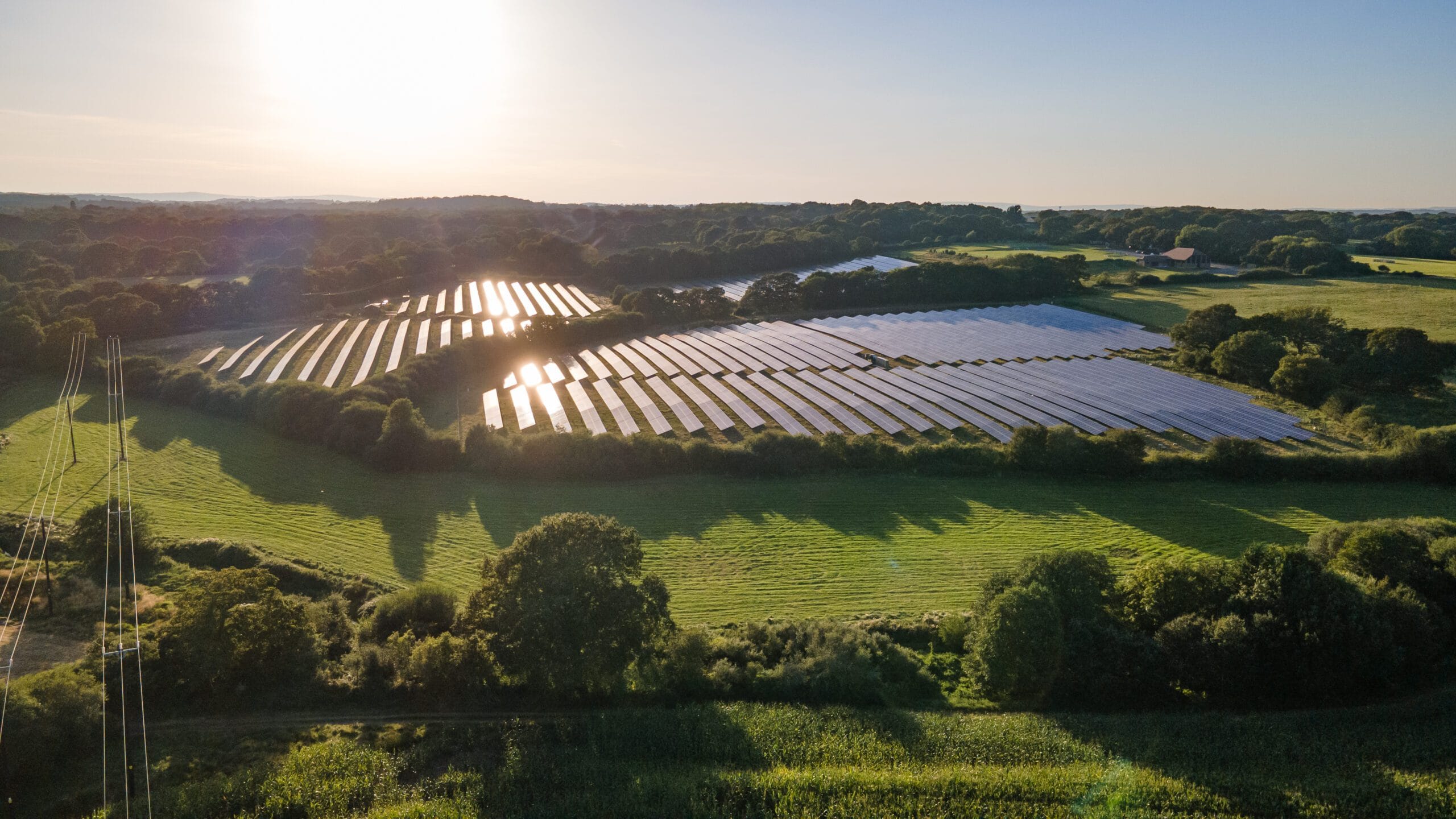
Featured image credit: © Lloyd Harden
An abridged version of this article first appeared in issue 29 of Insight